


Traditional Iranian Weddings and the Sofreh Aghd Ceremony
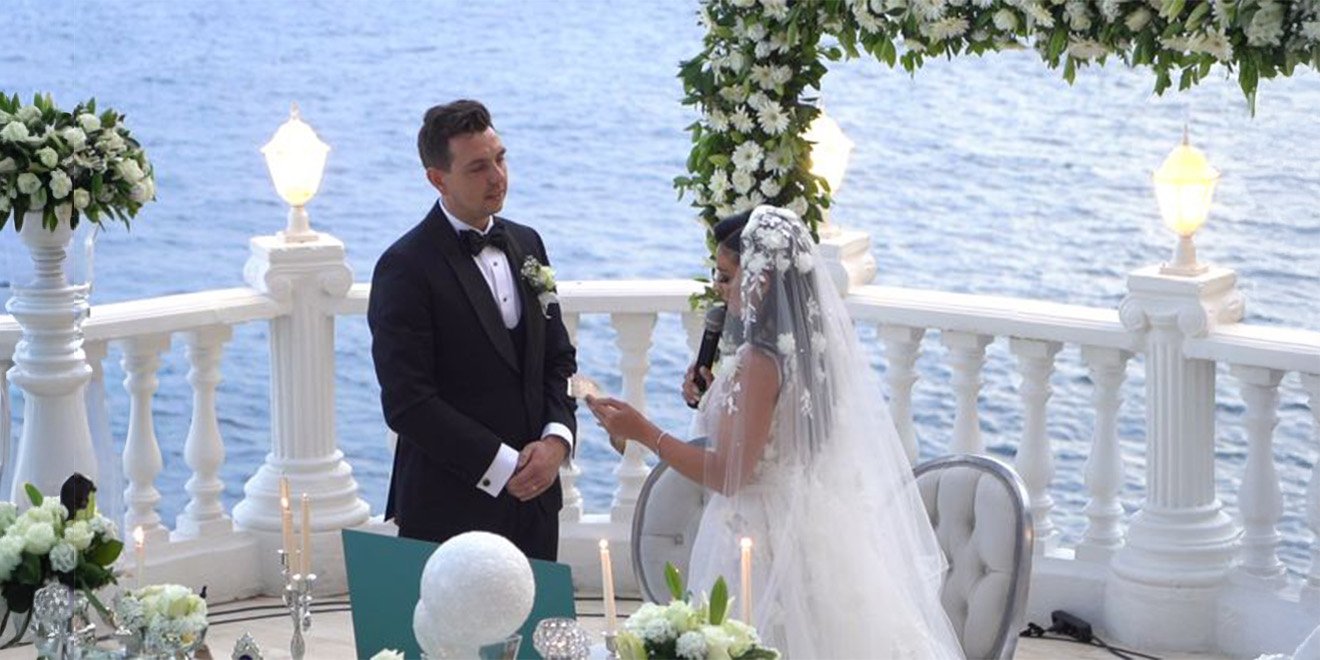
An Iranian wedding is a beautiful journey of family, promises, and symbolism, with the Sofreh Aghd ceremony at the heart of it all.
Traditional Iranian Weddings and the Sofreh Aghd Ceremony
An Iranian wedding is a beautiful journey of family, promises, and symbolism, with the Sofreh Aghd ceremony at the heart of it all.
Iranian weddings, also known as Persian weddings, carry a rich mix of tradition, family involvement, and heartfelt rituals that have evolved across centuries. Customs can vary by region, ethnicity, and religious background, yet many core stages remain recognizable, especially in larger cities such as Tehran. Today, couples often meet through work, university, social events, or family introductions, but families still play an active role in guiding the process and honoring cultural expectations.
Below is a clear and humane guide to the most common stages of a traditional Iranian wedding, with special focus on the Sofreh Aghd, the iconic ceremonial spread where the marriage vows and legal agreement come to life.
Khastegari: The Traditional Marriage Proposal
Khastegari is the formal marriage proposal gathering, usually held in the late afternoon or around sunset. The groom and his family visit the bride’s family home, traditionally bringing desserts as a sign of respect and good intention. The event begins with warm, casual conversation so everyone can feel at ease, and then the topic of marriage is introduced.
In many households, the bride-to-be serves tea, fruits, and sweets while meeting the groom’s family and answering respectful questions. The families then discuss values, lifestyle expectations, cultural compatibility, and long-term intentions. If both sides feel aligned, they move toward agreeing on next steps and potential wedding timing.
Balya Borne and Shirini Kharan: Engagement Gifts and Conditions
In many traditions, the proposal stage is followed by meetings such as Balya Borne and Shirini Kharan, often hosted at the bride’s family home. These gatherings focus on the practical and cultural foundation of marriage, including discussions about the bride’s dowry and the couple’s marriage conditions.
During the Balya ceremony, the groom’s family may present symbolic gifts such as a piece of cloth, a gold ring, and sometimes sweets. In some communities, a custom called shirbaha may appear, where money is offered as support that can help with wedding expenses. Traditionally, the key agreements are written down and signed by witnesses, reinforcing clarity and mutual respect.
The Engagement Ceremony: A Public Step Toward Marriage
The Iranian engagement ceremony often takes place after Balya-related gatherings. Its purpose is to make the relationship more official in the eyes of family and community. It may be hosted in a home, a small garden, or an intimate venue, and invitations are commonly shared in advance.
While the scale can differ by city and family style, the essence remains consistent: it is a moment for both families to openly celebrate the upcoming union and welcome the couple into a more formal stage of commitment.
Kul Kanan: Agreement Terms and the Sofreh Aghd Ceremony
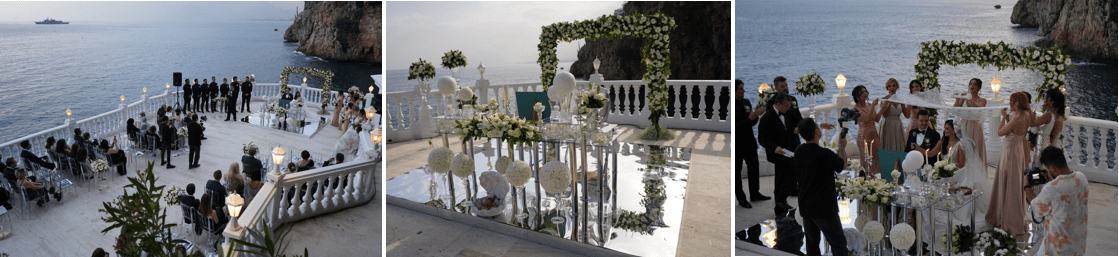
One of the most meaningful stages is Kul Kanan, which centers on the terms of agreement and the ceremonial reading of the marriage contract. This stage may begin with a family gathering at the bride’s home, where relatives review and confirm the agreed terms, including dowry details that were discussed earlier.
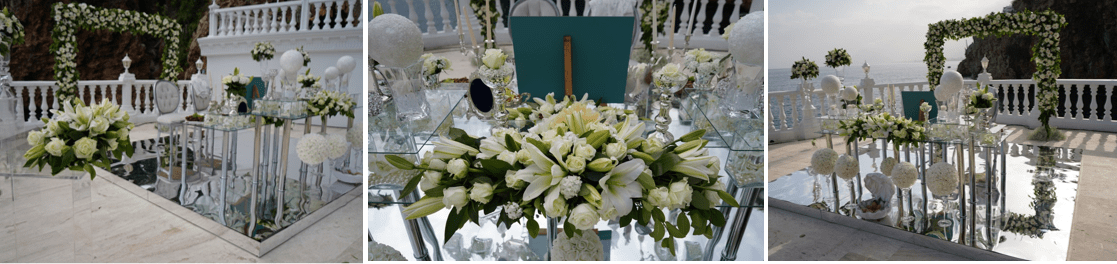
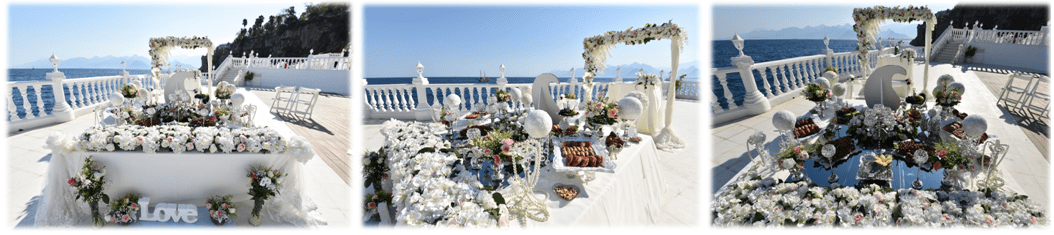
In the more ceremonial part of Kul Kanan, the couple sits side by side in front of the Sofreh Aghd, the wedding spread that symbolizes abundance, sweetness, and blessings for married life. The Sofreh Aghd may include a variety of traditional items such as:
- Cheese and yogurt as symbols of nourishment and simplicity.
- Eggs representing fertility and new beginnings.
- Nuts, sweets, and desserts reflecting prosperity and joy.
- Sugar cones used for a symbolic sweetness ritual.
A beautiful highlight is the two-sided silver shawl held above the couple’s heads. A female family member gently grinds or sprinkles sugar cones over the shawl so the “sweetness” falls symbolically onto the couple’s future. It is an intimate moment that often draws smiles, emotion, and quiet prayers.
An Aghed, the person who officiates the ceremony, reads the agreement and asks the bride and her family for confirmation three times. Traditionally, there is often a meaningful pause before the final confirmation, and a gift from the groom’s mother may be offered to the bride. After confirmation, the couple signs the legal marriage document, commonly referred to as Aghd-nameh, which outlines conditions, responsibilities, and the official wedding timeline.
In many customs, the bride’s family prepares the dinner, while the groom’s side supports with items such as flowers, sugar cones, and fruits. After the signing, celebrations continue with gifts, conversation, and family entertainment.
Pa-gosha: A Gathering for Close Relatives
Pa-gosha is typically hosted for close relatives after the agreement is signed. It is a warm gathering where gifts may be presented and families spend time together in a more relaxed atmosphere, strengthening bonds before the wedding day.
Wedding Equipment Preparations: Jahizie and the New Home
Jahizie or Jahaz refers to household items and essentials prepared for the couple’s married life. Historically, families might begin assembling these items years in advance, but modern life has changed that rhythm. Today, many couples prepare Jahizie closer to the wedding date, selecting items that match their lifestyle, budget, and home needs.
Accessories and Shopping Preparations
Traditionally, women relatives may go shopping together before the wedding to prepare key items such as the wedding rings, dress, mirrors, and the groom’s suit. In some customs, the groom provides lunch and gifts for close relatives during these outings, sometimes referred to as Sar Kharidi. These traditions are less common today, yet they remain cherished in many families.
Hana-bandan: The Henna Night Celebration
Hana-bandan is often held one night before the wedding, typically in the couple’s new home, with friends and young relatives. Many describe it as a joyful pre-wedding party filled with laughter, music, and shared excitement. The groom’s family may bring fruits, desserts, and decorative henna, and at the end of the night, henna is applied to guests and the couple as a symbol of happiness and good fortune.
The Wedding Ceremony: A Grand Celebration
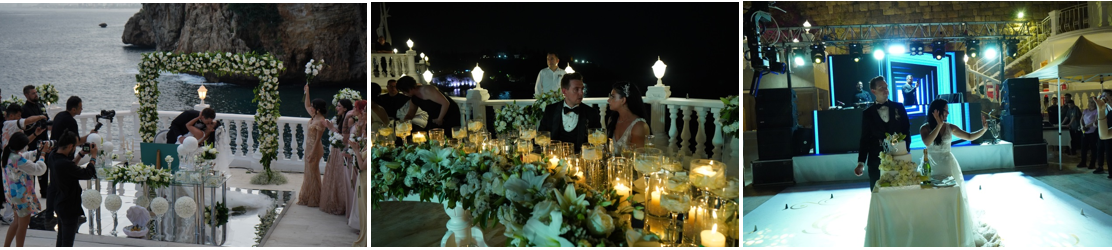
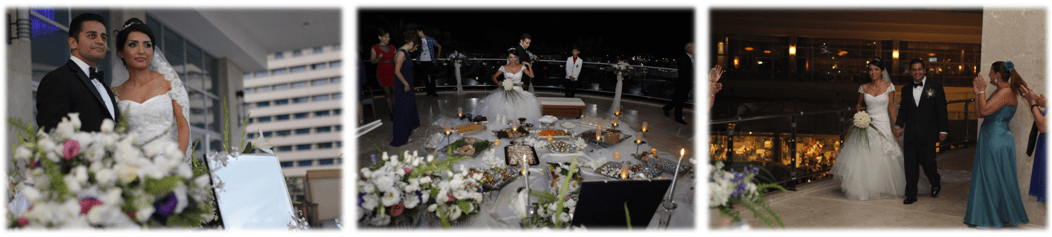
The Iranian wedding ceremony is a major celebration where close and distant relatives come together for an evening of joy and hospitality. Traditionally, the cost of the wedding reception is the groom’s responsibility, and the event may include a magnificent gathering with food, music, and family traditions. In some regions, wedding celebrations can last multiple days, and certain families include rituals such as sacrifice or symbolic acts meant to bring protection and blessing.
At the end of the ceremony, the newlyweds often enter their new home accompanied by guests, marking the beginning of married life with community support and heartfelt wishes.
Patakhti and Madarzan Salam: Post-Wedding Traditions
Patakhti is a post-wedding gathering that, in many modern families, is less common than it used to be. Traditionally, women from the close family circle gather at the bride’s family home and are served cakes, fruits, desserts, and soft drinks. Guests often bring gifts for the bride, and the atmosphere feels similar to a bridal shower in other cultures.
Another ritual, Madarzan Salam, is traditionally held the morning after the wedding. The groom visits the bride’s mother with a gift, thanks her for her daughter, and shows respect through gestures that reflect cultural gratitude and family honor.
Luna di Miele: The Honeymoon
The final stage of a traditional Iranian wedding is the honeymoon, often called Luna di Miele. Destinations vary by family preferences, and for religious families, Mashhad is commonly considered a meaningful first choice.
Planning a Sofreh Aghd Today
Even as lifestyles modernize, the Sofreh Aghd remains one of the most unforgettable parts of an Iranian wedding because it combines beauty with meaning. If you are planning an Iranian wedding abroad or organizing a destination celebration, focusing on authentic details, family comfort, and culturally respectful presentation can make the entire experience feel deeply personal.
With thoughtful planning, a traditional Iranian wedding can be both culturally faithful and modern in style, allowing families to celebrate love in a way that feels timeless.


